



Blog
Large SUV Buyer's Guide: Smart Choices and Import Tips
cars at live US auctions right now
Bid yourself or buy instantly — delivery and customs included in the calculator
You're at the kitchen table in Poland, Copart open on one screen and a calculator on the other. A Chevrolet Tahoe looks affordable in the auction lane, but the number beside the winning bid says very little about what you'll eventually park in Warsaw, Wrocław, or Poznań. Freight, customs, VAT, excise duty, repairs, lighting conversion, registration, and the practical cost of driving a large SUV all matter.
A large SUV from the United States can make sense, but only when you calculate the complete import chain before bidding. The category is structurally important, not a niche curiosity. Market estimates value the global large-SUV sector at USD 326.38 billion in 2024, with a projection of USD 349.94 billion by 2034 at a 0.70% compound annual growth rate from 2025 to 2034 (Precedence Research large-SUV market data). The opportunity is real, but so are the fuel, tax, safety, parking, and repair compromises.
Table of Contents
- Why a large SUV from a US auction makes sense in 2026
- What counts as a large SUV and how the segment is built
- The US models Polish and EU buyers actually import
- The trade-offs nobody mentions in the showroom
- Running the numbers through the DreamBid cost calculator
- EU adaptations and paperwork for a US-spec large SUV
- Sourcing smart and reading the auction sheet like a pro
- Your next steps after reading this guide
Why a large SUV from a US auction makes sense in 2026
The bridge between a US auction screen and a registered Polish vehicle has several separate stages. A low hammer price can disappear quickly if the title is difficult, the vehicle needs structural work, or the engine falls into a high Polish excise bracket. A disciplined buyer evaluates the VIN, title, damage, drivetrain, transport route, tax base, and final use case before placing a bid.
The US market remains especially relevant because SUVs and pick-up trucks represented about 50% of global car sales in 2023, while SUVs first overtook conventional cars in 2022, reaching 51% of total sales (International Energy Agency transport analysis). That volume creates a deep supply of Tahoes, Expeditions, Yukons, Sequoias, Escalades, and similar vehicles across Copart and IAAI.
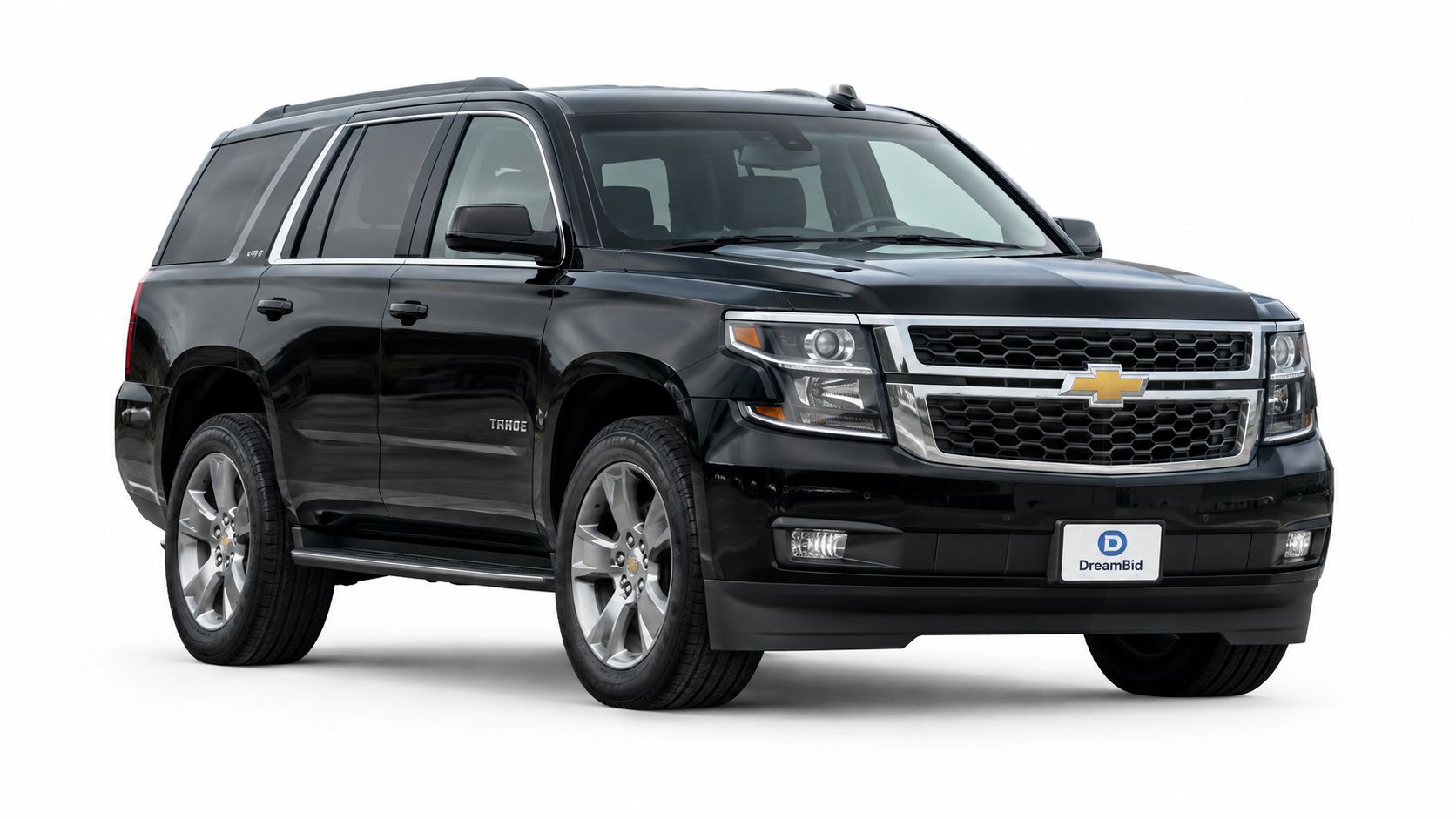
The decision starts with the landed price
Don't compare the auction bid with the price of a European dealer's finished car. Compare the fully landed and road-legal vehicle with an equivalent car already available in Poland. Your calculation needs the auction fee, US inland haulage, export handling, ocean freight, customs duty, VAT, excise duty, repairs, EU adaptations, inspection, registration, insurance, and delivery from the port or workshop.
DreamBid's guide to importing a car from the USA is useful at the research stage because it frames the purchase as a logistics project, not just an auction transaction. The same logic applies whether you're buying a family Tahoe, a towing-focused Expedition, or a luxury Escalade.
Why buyers still choose the category
A large SUV offers something a European wagon or compact crossover often can't match: a spacious cabin, three usable rows in the right specification, substantial towing capability, ground clearance, and a body suited to long-distance travel. It can be the correct tool for a large family, heavy trailer, rural roads, or buyers who routinely carry bulky equipment.
It becomes a poor purchase when the owner mainly drives alone through a dense city. The category's size affects fuel consumption, maneuverability, parking, insurance, and repair exposure. The smart question isn't whether the SUV looks impressive. It's whether its capability will be used often enough to justify those permanent costs.
What counts as a large SUV and how the segment is built
The term large SUV covers more than exterior length. IIHS discusses large SUVs weighing more than 5,000 pounds, or approximately 2,268 kilograms, within its relevant safety analysis (IIHS large-SUV crash-risk research). In US market classification, interior volume also helps separate a full-size vehicle from a mid-size crossover.
For Polish importers, the practical group is easier to recognize. These are usually tall, wide vehicles with three rows, truck-derived platforms, large engines, and strong auction demand. A Chevrolet Tahoe and a GMC Yukon share much of their underlying logic. A Cadillac Escalade adds luxury equipment and higher repair exposure. A Jeep Wrangler Unlimited belongs to a different use case, but it often appears in the same import searches because buyers want size, four-wheel drive, and American identity.
Four groups appear repeatedly on auction lots
| Subcategory | Defining trait | Representative model |
|---|---|---|
| Full-size body-on-frame | Truck-based construction, three-row capacity, towing focus | Chevrolet Tahoe, Ford Expedition, GMC Yukon |
| Heavy-duty off-roader | Strong four-wheel-drive hardware and rugged body design | Jeep Wrangler Unlimited, Ford Bronco |
| Luxury large SUV | Premium trim, expensive equipment, higher repair complexity | Cadillac Escalade, Lexus LX 570, Mercedes-Benz GLS |
| Hybrid edge cases | Spacious family format that may sit near the large-SUV boundary | Jeep Grand Cherokee L, Kia Telluride, Honda Pilot |
The distinction matters for more than terminology. A body-on-frame Tahoe usually has different repair priorities from a unibody Telluride. A flood-damaged Escalade can expose expensive electronics throughout the cabin. A Wrangler may be shorter and easier to place in a city, but its ride and cabin practicality won't suit every family.
Polish tax law uses a different measurement
Polish akcyza, or excise duty, doesn't care whether the auction listing calls the vehicle a large SUV, crossover, truck, or luxury vehicle. Engine displacement is the critical classification point for the rate. That means a physically smaller SUV with a large petrol engine can face a more serious tax consequence than a bigger vehicle with a smaller power unit.
Insurance companies also examine vehicle value, power, intended use, and technical specifications. Parking managers don't care about segment labels either. They care whether the vehicle fits the bay, clears the ramp, and can turn without scraping a column.
The US models Polish and EU buyers actually import
The recurring US auction roster is surprisingly consistent. Buyers usually start with a model, but experienced importers start with parts availability, damage type, title quality, drivetrain, and local repair competence. The right vehicle isn't always the most prestigious one. It's the one whose final cost and repair path remain understandable.
| Model | Engine note | Why EU buyers choose it |
|---|---|---|
| Chevrolet Tahoe | Large-displacement petrol engines are common | Familiar GM construction, broad parts access, practical three-row format |
| Chevrolet Suburban | Full-size extended body and large cabin | Exceptional luggage capacity behind the rear rows |
| GMC Yukon | Closely related to the Tahoe | Similar mechanical logic with a different exterior and trim position |
| Ford Expedition | Turbocharged petrol powertrains appear frequently | Strong towing orientation and generous interior space |
| Lincoln Navigator | Premium Expedition relative | Luxury cabin with American-scale passenger room |
| Jeep Grand Wagoneer | Large luxury-focused platform | High equipment level and strong badge appeal |
| Jeep Wrangler Unlimited | Four-wheel-drive and removable-roof character | Lifestyle appeal, off-road capability, and compactness relative to a Suburban |
| Toyota Sequoia | Hybrid and petrol variants exist | Brand reputation and perceived resale security |
| Toyota 4Runner | Rugged used-market off-roader | Durable image and body style rarely offered in Europe |
| Cadillac Escalade | Premium V8 supply is common in auctions | Distinctive design, luxury equipment, and fleet-related availability |
| Nissan Armada | Large petrol SUV format | Often offers substantial equipment at a lower entry point |
| Infiniti QX80 | Luxury version of a large Japanese SUV | Comfort, space, and a different alternative to GM products |
| Lexus LX 570 | Premium off-road construction | Luxury finish combined with serious four-wheel-drive hardware |
Tahoe, Suburban, and Yukon are often the easiest vehicles to explain to a Polish repair shop because their mechanical layout and component supply are familiar within the US-import ecosystem. Expedition and Navigator appeal to families who prioritize cabin space and towing. Escalade attracts buyers who want a more visible luxury product, but its cameras, screens, trim, and suspension components can make post-auction surprises more expensive.
Practical buying rule: Choose the repair network before choosing the badge. A common model with documented damage is usually safer than a rare luxury SUV with an unclear electrical fault.
Supply signals also matter. Hail-damaged vehicles can be preferable to heavily hit front-end cars when the structure and glass are intact. Flood clusters in Texas and Florida deserve careful screening, especially when several electrical systems fail at once. Lease-return supply can produce cleaner, better-documented examples than an auction lot with incomplete history, but every VIN still needs independent verification.
The trade-offs nobody mentions in the showroom
The biggest mistake is treating a large-displacement V8 as a bargain because the auction price looks attractive. Large SUVs generally use more fuel because they carry more mass, produce more aerodynamic drag, and often use powerful drivetrains. The EPA states that larger, heavier, and more powerful vehicles generally deliver lower fuel economy and higher carbon dioxide emissions than comparable smaller vehicles (EPA vehicle trends material).
The market is improving, but “better” doesn't mean economical. The EPA reported that truck-SUV fuel economy reached a new high of 25.7 mpg in model year 2024, an improvement of 1.0 mpg from model year 2023 (EPA 2025 Automotive Trends Report). That progress helps, but it doesn't turn a full-size SUV into a low-cost commuter.
Safety is more complicated than size
A larger vehicle can give its occupants more mass in a collision, but size doesn't erase rollover or compatibility risks. Static Stability Factor, calculated as half the track width divided by center-of-gravity height, becomes lower as the center of gravity rises. NHTSA data cited in the engineering discussion showed sales-weighted SSF values around 1.17 for SUVs versus 1.41 for passenger cars in model year 2003, illustrating the engineering basis for different rollover propensity (engineering explanation of vehicle center of gravity).
IIHS also warns that small-overlap and moderate-overlap front ratings should be compared among vehicles of similar weight (IIHS large-SUV class ratings). In its analysis, occupants of cars were 90% more likely to die in crashes with SUVs weighing more than 5,000 pounds than in crashes with other cars during 2017 to 2022 (IIHS vehicle-size safety analysis).
Urban ownership exposes the daily penalties
Parking is where many buyers discover that a large SUV is a poor match for their routine. A vehicle can be comfortable on a motorway and frustrating in a Warsaw underground garage. Check the actual width, length, turning radius, ramp angles, and clearance of your home, office, supermarket, and school before bidding.
| Cost category | Mid-size SUV | Large SUV |
|---|---|---|
| Fuel | Usually easier to control on daily routes | Higher consumption and greater sensitivity to mileage |
| Tires and brakes | More widely available and generally simpler to source | Larger components can cost more and may require special ordering |
| Parking | More compatible with urban bays and ramps | Width, length, and turning circle create practical constraints |
| Insurance | Easier to place with mainstream providers | Vehicle value, power, and specification can raise premiums |
| Repairs | More workshops understand common European platforms | US-specific electronics, body panels, and suspension can complicate work |
A large SUV earns its keep when you tow, carry a full cabin, travel on poor roads, or need the cargo volume. For a short urban commute, a crossover, minivan, or wagon will usually be easier to live with.
Running the numbers through the DreamBid cost calculator
A worked import calculation is useful, but only if every figure is treated as an illustrative input, not a guaranteed quotation. Auction fees vary by sale type, buyer status, lot location, and payment method. Freight changes with route, season, vehicle dimensions, and shipping availability. Customs and tax values depend on the declared customs basis and the vehicle's documentation.
Use a hypothetical 2021 Chevrolet Tahoe LT with an USD 18,500 winning bid to understand the structure. The calculator should show each line separately instead of hiding logistics inside one attractive total.
The cost lines that belong in the calculation
- Auction charges: The bid is not the final auction invoice. Gate, buyer, online, and documentation charges may apply according to the auction's fee schedule.
- US inland transport: The vehicle must move from the Copart or IAAI yard to the export warehouse or port. A non-running Tahoe can require different equipment from a driveable example.
- Ocean freight: Full-size dimensions affect the shipping method and price. A container or RoRo quote must identify the route and vehicle specification.
- Customs clearance: The importer needs a customs entry, title documentation, commercial invoice, and transport records.
- VAT and duty: Polish VAT is applied according to the applicable customs calculation. The taxable basis must be confirmed for the specific route and declaration.
- Akcyza: Engine displacement can transform the result. A vehicle below one threshold can have a very different tax exposure from a similar-looking vehicle above it.
- Repairs and adaptations: Headlights, rear fog lighting, indicators, emissions compliance, tires, glass, and structural repairs belong in the same ownership calculation.
- Registration and delivery: Technical inspection, registration documents, plates, and regional transport complete the route to the buyer's driveway.
DreamBid's US car import cost calculator guide explains why the hammer price should be only the first input. The platform's described service model uses a fixed fee of 1,999 PLN net, while the importer still needs to verify every tax, repair, and transport assumption for the selected VIN.
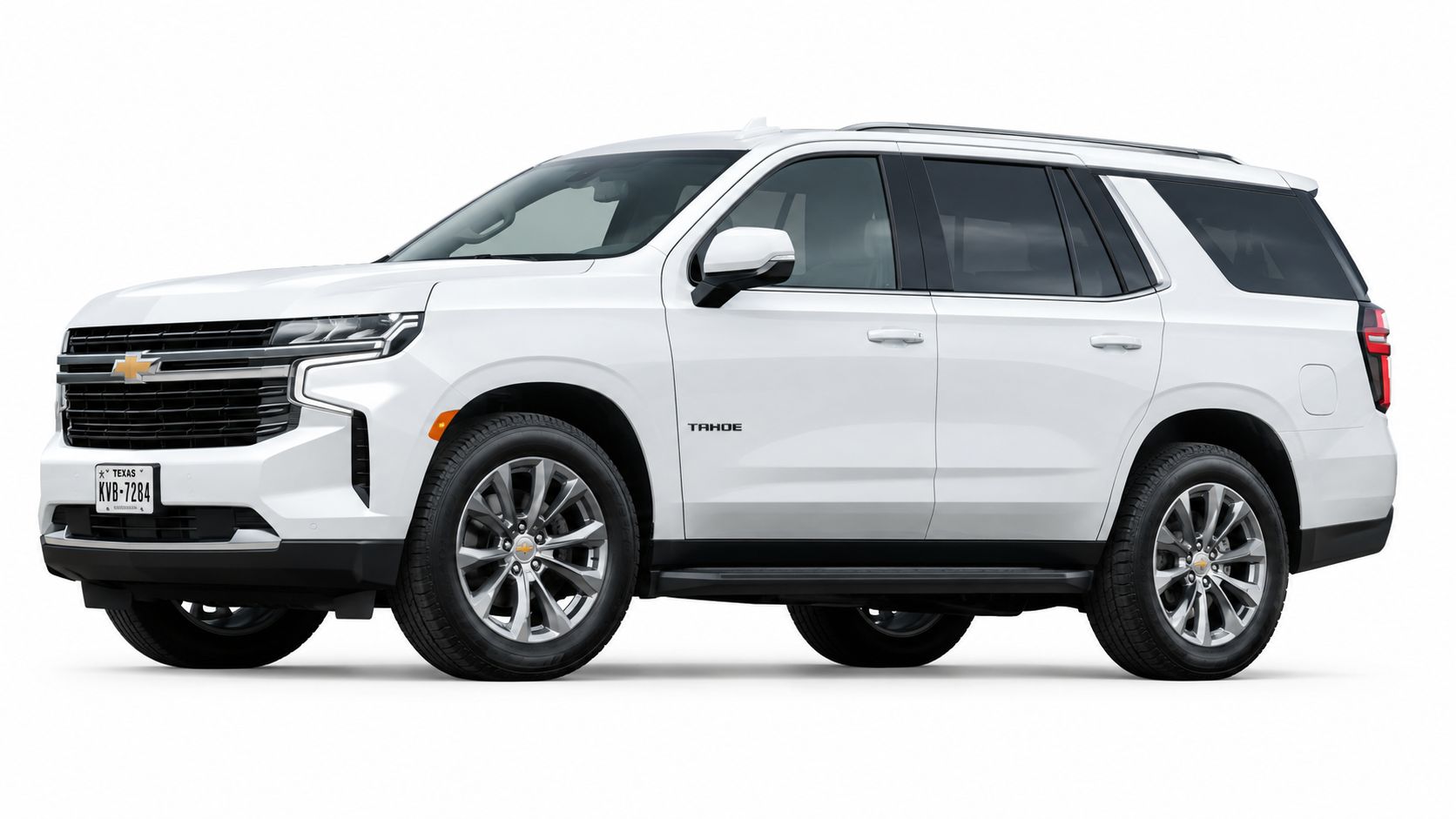
Displacement needs special attention
Don't assume a smaller engine automatically makes a large SUV cheap. The vehicle's sale value, freight dimensions, repair condition, and equipment still matter. However, the Polish excise classification can make engine displacement a decisive variable, so compare two technically similar vehicles before bidding.
For a serious quote, enter the VIN, auction amount, destination route, and known damage into the calculator. Then ask whether the result still works after a repair reserve, EU conversion, inspection, insurance, and your expected annual mileage. If the vehicle only makes sense before those items are included, it doesn't make sense.
EU adaptations and paperwork for a US-spec large SUV
A US-spec SUV isn't automatically ready for a Polish registration plate when it reaches Europe. The workshop must inspect lighting, instrumentation, emissions equipment, tires, glass, and structural repairs. Treat the adaptation list as a job card, not an afterthought.
Give the mechanic a conversion checklist
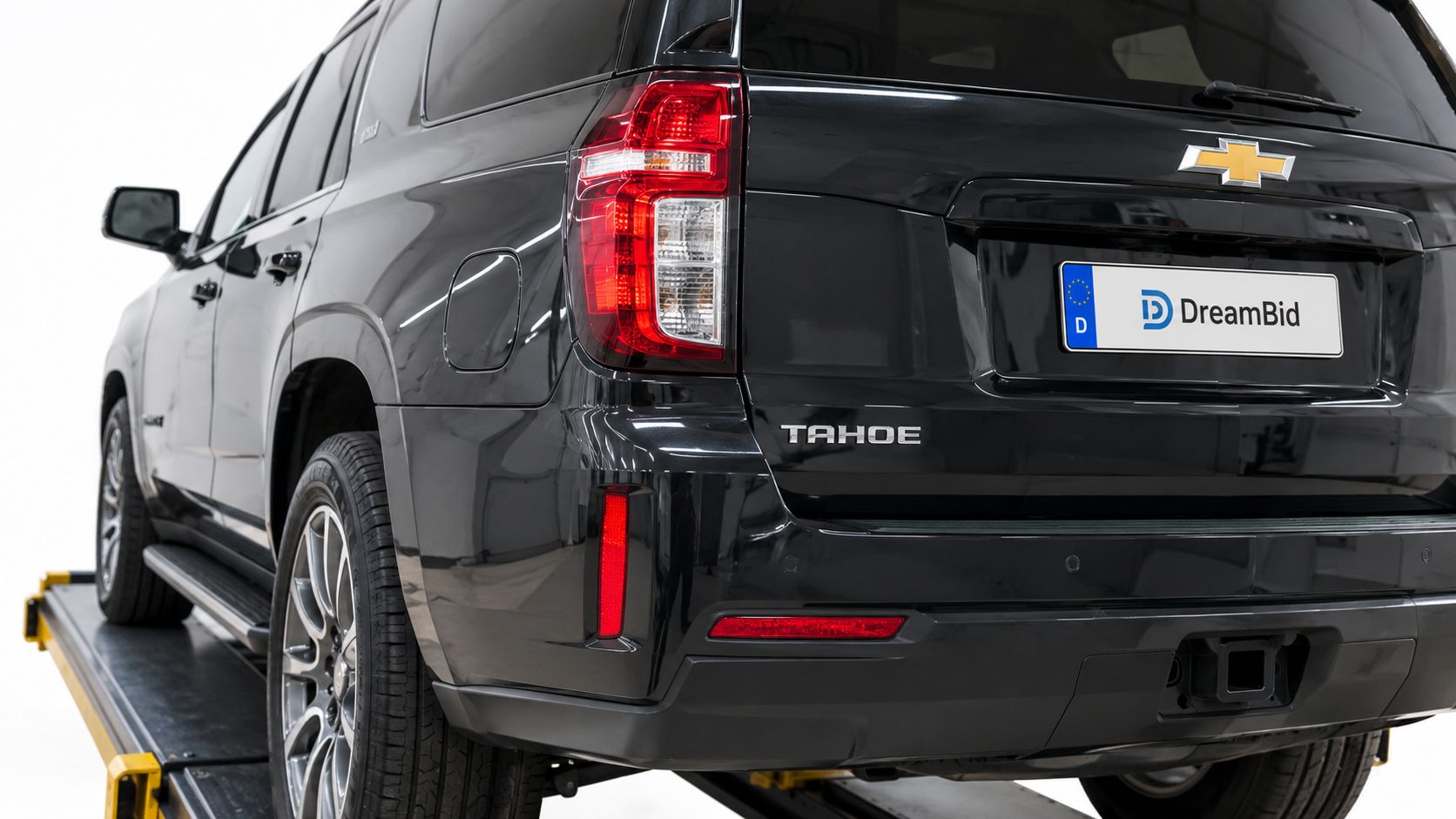
- Lighting: US rear indicators may use red lenses, while European requirements generally expect amber turn signals. Side markers, reflectors, daytime running lights, and rear fog lighting may need conversion to the applicable ECE configuration.
- Headlamps: US beam patterns can require adaptation or replacement so the vehicle illuminates the road correctly for right-hand traffic.
- Instrument cluster: Miles can be changed to kilometers through cluster programming or a suitable digital calibration service. The displayed mileage must remain truthful and documented.
- Emissions: The workshop should check catalytic converters, oxygen sensors, evaporative systems, and diagnostic readiness before the Polish technical inspection.
- Body and chassis: Measure the frame and mounting points after a front, rear, or side impact. Cosmetic alignment is not proof that the structure is straight.
- Safety equipment: Confirm airbags, pretensioners, radar sensors, cameras, and driver-assistance calibration after repairs.
Keep the document chain together
The title, auction invoice, transport records, customs declaration, VAT evidence, excise confirmation, repair invoices, inspection certificate, and translation documents should form one traceable file. Your importer or customs agent must confirm the exact declaration procedure and office handling for the individual vehicle.
The route can run through a Polish port such as Gdynia or through a German port such as Bremerhaven, depending on the logistics and fiscal structure. Don't choose a port because the sailing looks cheap. Choose the route after comparing customs handling, inland transport, VAT treatment, and delivery to your workshop.
DreamBid's registration guide for cars from the USA provides a useful document-oriented overview. A practical timeline should include port discharge, customs release, inland movement, workshop conversion, inspection, and registration. The actual duration depends on paperwork, parts availability, workshop capacity, and any customs query.
Sourcing smart and reading the auction sheet like a pro
Treat Copart and IAAI as stock screens, not showrooms. The vehicle's photographed side may look clean while the title status, flood history, missing keys, or drivetrain condition changes the entire risk profile.
Start with filters for year, mileage, drivetrain, title type, damage category, and vehicle status. Then read every field on the lot card. “Run and drive” doesn't mean roadworthy, and a clean-looking exterior doesn't prove that the airbags, cooling system, transmission, or four-wheel-drive system works.
Read the lot card in a fixed order
| Lot card field | What it tells you | Red flag to watch |
|---|---|---|
| Sale document | Whether the vehicle has a clean, salvage, or restricted title | Certificate of destruction or export limitations |
| Primary damage | The auction's main loss category | Water or flood damage, severe undercarriage impact |
| Secondary damage | Additional visible or recorded loss | Several unrelated damage areas |
| Odometer | Recorded mileage and status | Not actual, inconsistent, or exempt reading |
| Run and drive | Limited yard-level movement information | No-start status, overheating, transmission noise |
| Keys | Whether the auction records keys present | Missing keys on a modern SUV with immobilizer systems |
| VIN | Identity, specification, and historical trail | VIN mismatch, inconsistent model year, unexplained ownership history |
A hail-damaged Tahoe with a verified title and intact drivetrain can be a notably different project from a front-damaged Tahoe that doesn't start. Flood vehicles deserve particular caution because corrosion and electrical failures can appear long after the initial repair.
Build a shortlist instead of chasing one lot
Pull the VIN and compare the auction record with NMVTIS, Carfax, AutoCheck, manufacturer build information, and archived auction photographs. Check the state of origin because rust-belt vehicles from Ohio or Pennsylvania may hide corrosion beneath clean body panels. Review tire condition, battery notes, tow status, third-row equipment, tow package, cameras, radar sensors, and the exact drivetrain.
DreamBid's vehicle search guidance can help organize that process, but the decision should remain evidence-based. Create a spreadsheet with five to ten candidates, score the title, damage, mileage, VIN consistency, repair complexity, and estimated landed cost, then set a maximum bid before the auction opens.
Auction discipline: If you need the vehicle to start, move under its own power, and arrive with every key, don't bid on a lot that fails any of those requirements simply because the photos look attractive.
The strongest import decision combines sourcing and resale logic. A popular model with accessible parts may be easier to sell later, while a rare luxury SUV can tie up money in a repair that only a specialist understands. If the spreadsheet can't explain the downside, the lot isn't ready for bidding.
Your next steps after reading this guide
Move from browsing to a controlled shortlist. Large SUVs reward preparation because the expensive mistakes happen before the hammer falls, not only in the workshop.
- Create your buyer file: Register on DreamBid with the required identity and contact information before planning a bid. Keep your budget, intended route, and preferred engine specification in one place.
- Select several candidates: Build a shortlist of three to five vehicles using year, mileage, title status, drivetrain, damage type, and equipment filters. Pin the lots so you can compare them without making an emotional decision.
- Calculate the complete route: Enter the auction amount, auction charges, US inland transport, ocean freight to Gdynia or Hamburg, customs, VAT, excise duty, repairs, adaptations, inspection, registration, and final delivery.
- Verify the VIN: Order a history check and review archived photographs. If the damage is unclear, arrange a pre-bid inspection or a third-party condition report through an appropriate inspection provider.
- Set a hard bid ceiling: Include a 10 percent reserve for post-auction surprises only if that figure reflects your own risk tolerance and available cash. Don't treat a reserve as permission to overbid.
- Prepare the document pack: After a successful purchase, upload the invoice, title, transport information, and repair documentation so the customs and registration file remains complete.
- Book the adaptation work: Confirm that the workshop can handle US lighting, instrument programming, emissions checks, ADAS calibration, and the technical inspection before the vehicle sails.
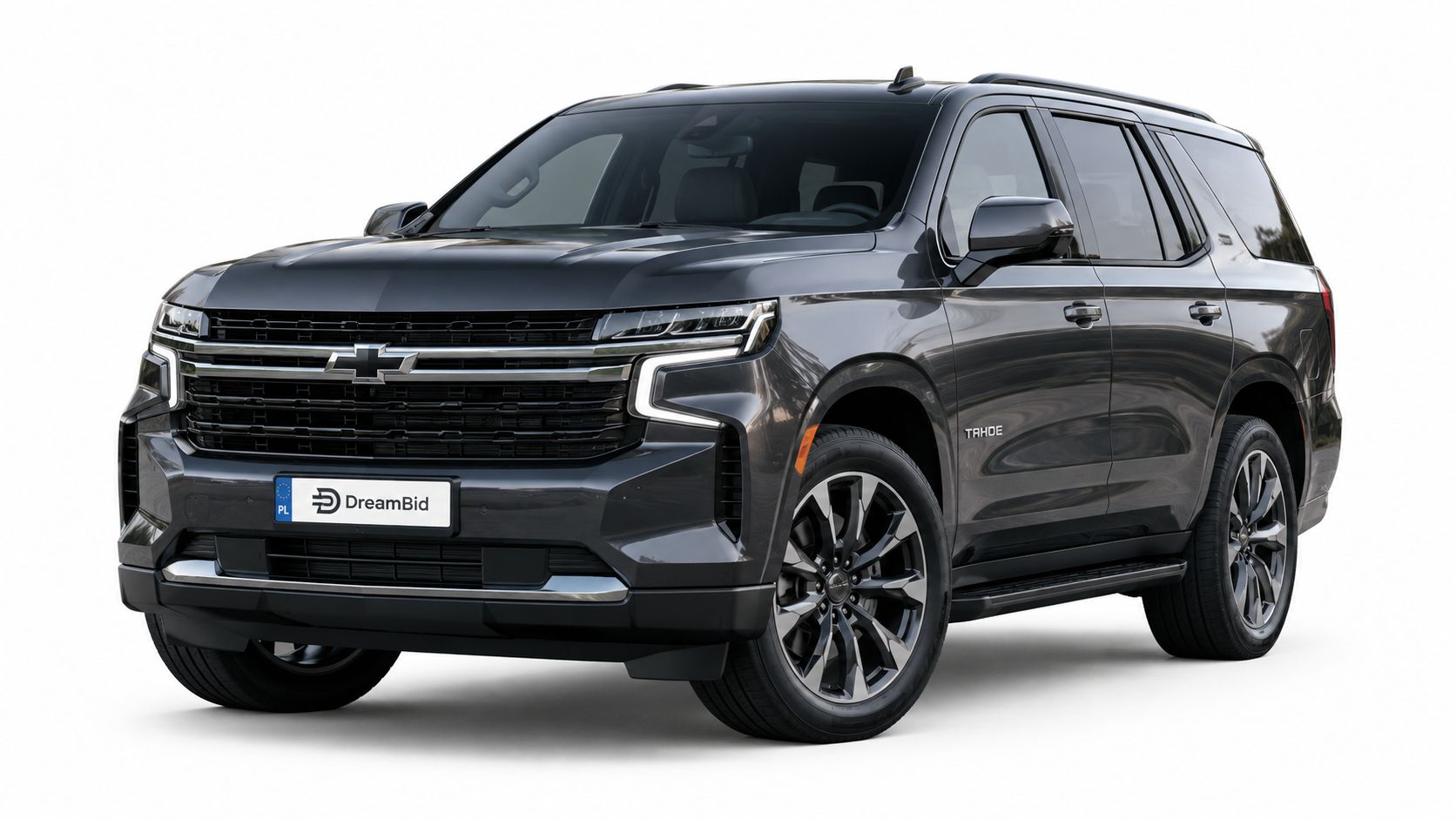
The right large SUV import isn't the vehicle with the lowest auction bid. It's the vehicle whose history, tax position, transport plan, repair scope, and daily operating costs you can explain clearly before committing money. If you need three rows, towing strength, or genuine long-distance comfort, the category can be justified. If you need a city commuter, check a smaller alternative before signing up for full-size ownership.
DreamBid combines US auction sourcing, VIN analysis, logistics coordination, and a transparent import calculator so you can test a large SUV's landed cost before bidding. Visit DreamBid, compare several VINs, and build a purchase decision around the complete Polish registration and ownership cost.