



Blog
Midsize SUV Import Guide from US Auctions to EU Roads
cars at live US auctions right now
Bid yourself or buy instantly — delivery and customs included in the calculator
You're comparing a locally available family SUV with a Copart or IAAI listing, and the auction price looks convincing. Then the practical questions arrive. Will the third row carry adults? Will the engine cross Poland's excise threshold? Will the headlights need replacement rather than simple adjustment? And what will the vehicle cost after inland transport, shipping, customs, repairs, and registration?
A midsize SUV can make sense for a Polish or EU buyer, but only when you price the complete chain before bidding. The winning bid is just one input. Condition, engine displacement, equipment, damage type, port routing, VAT treatment, and European adaptation decide whether the purchase is sensible.
Table of Contents
- Why a midsize SUV from the US makes sense for EU buyers
- How to choose the right midsize SUV size and spec for Europe
- Finding and vetting midsize SUVs on Copart and IAAI
- Calculating the true landed cost before you bid
- Bidding shipping and customs without surprises
- EU adaptation repairs and registration that gets you on the road
Why a midsize SUV from the US makes sense for EU buyers
A family may start with a familiar problem. The current car handles commuting, but weekend luggage fills the boot and child seats make access awkward. A local three-row SUV offers the right space, yet the price is difficult to justify. A US auction opens more choice, but the attractive listing is only useful if its total landed cost remains controlled.
The midsize SUV class has moved far beyond its former niche role in the United States. Historical U.S. Department of Transportation sales data shows market share rising from 5.2% in 1980 to 33.0% in 2013, after reaching 31.4% in 2011 and 31.6% in 2012 (historical midsize SUV market data). That scale matters to importers because a large domestic market usually creates broader auction availability, more trim combinations, and a deeper parts ecosystem.
Current sales volume reinforces the point. Through August 2026, midsize SUV nameplates recorded 1,163,693 U.S. sales, up 5.7% year over year, while the Ford Explorer reached 165,630 units, up 14.7% (2026 U.S. midsize SUV sales by model). The segment's August monthly volume was 156,914, which helps explain why US auctions regularly show vehicles that European buyers may struggle to find in equivalent specifications.
Where the import advantage really comes from
The attraction isn't just a low hammer price. Buyers often gain access to:
- Broader selection: Ford Explorer, Toyota Highlander, Honda Pilot, Volkswagen Atlas, Chevrolet Traverse, and similar vehicles appear in configurations that aren't always common in EU stock.
- Repairable insurance losses: A light front or rear impact can be easier to assess than an old European vehicle with incomplete service history.
- Known platform support: Popular US nameplates generally have established repair and parts routes.
- Equipment choice: Seven-seat layouts, advanced driver assistance, towing packages, and comfort trims can be easier to locate.
That doesn't mean every US purchase beats a local car. An undamaged European vehicle may win when you need immediate registration, a smaller engine, European lighting, and a documented service history. Importing becomes more attractive when the desired specification is scarce locally and the buyer can tolerate a managed repair process.
The practical method is to set a finished budget first. Include the auction invoice, US towing, warehouse handling, container shipping, customs duty, VAT, Polish excise, repairs, adaptations, inspection, and final flatbed delivery. DreamBid combines a 24/7 online auction workflow, VIN analysis, cost calculation, and human import support, with a fixed service fee of 1,999 PLN net. The platform has operated for more than 10 years and reports thousands of processed vehicle transactions. Details on the wider process are available in this US car import guide.
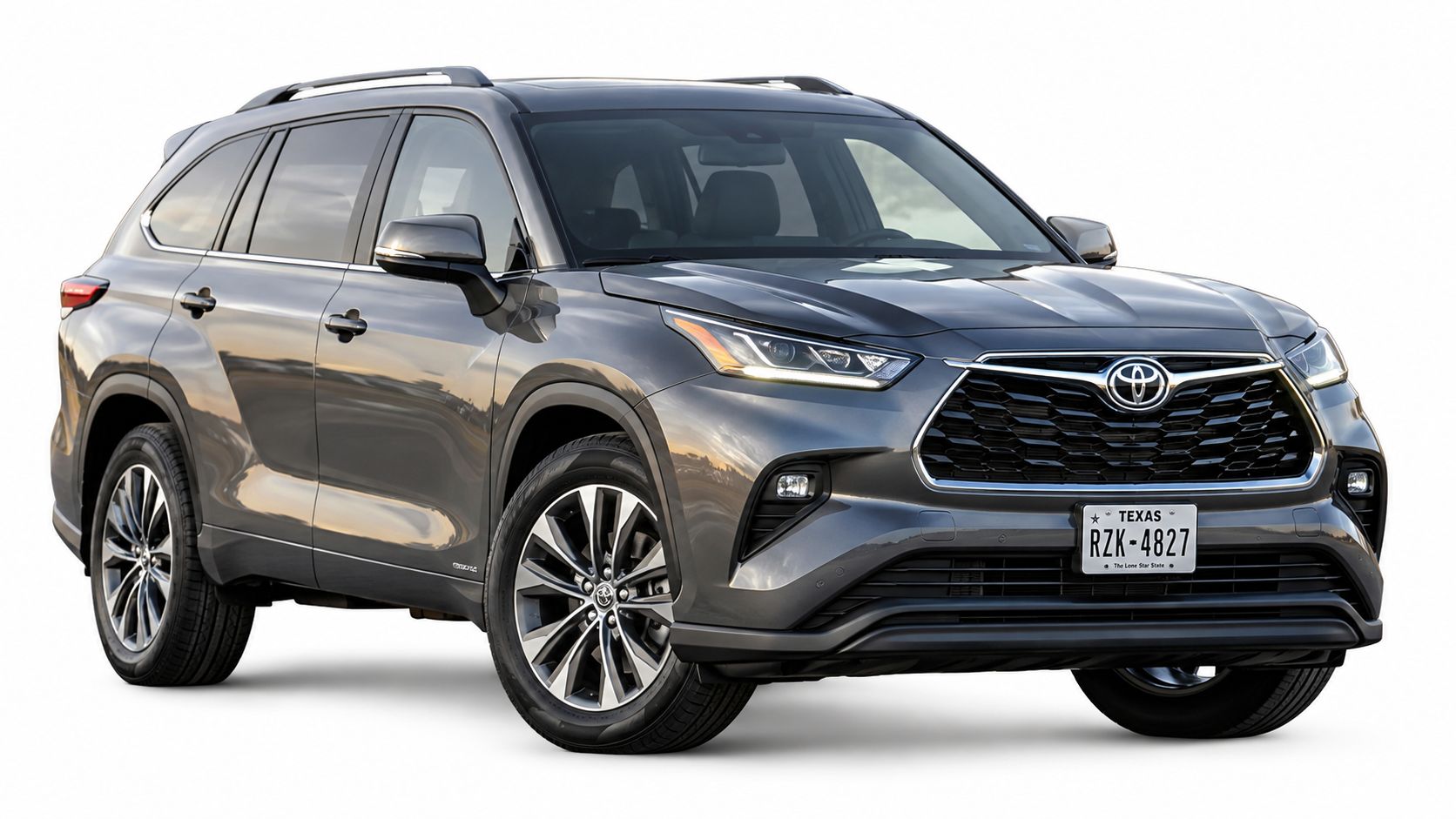
Practical rule: Never fall in love with a listing before the calculator confirms the landed vehicle fits your budget.
How to choose the right midsize SUV size and spec for Europe
A midsize SUV that fits an American driveway can feel oversized in Poland. Common dimensions are approximately 180 to 195 inches long, 72 to 79 inches wide, and 65 to 73 inches tall (vehicle size reference). Those measurements matter in underground garages, narrow streets, and older European parking spaces.
Check more than body length. A tall bonnet, wide mirrors, large turning circle, and thick door trim affect daily manoeuvring. Before bidding, measure the garage entrance and access route, then compare them with the exact model's dimensions. The marked parking bay alone is not enough.
Family use often decides the right body and layout. In one midsize three-row comparison, the Volkswagen Atlas offered the strongest combination of third-row legroom and cargo space. The same comparison describes its third row as comfortable for children and adults, with a second row that can tilt and slide while a child seat remains installed (midsize three-row SUV comparison). Treat that result as a measurement reference, not a reason to import every Atlas. A seven-seat badge says little about access, usable cargo space, or whether the third row can handle the intended passengers.
The specification decisions that change ownership
Engine displacement belongs near the top of the shortlist. Polish excise thresholds are sharp, with 3.1% for engines up to 2,000 cm3 and 18.6% above 2,000 cm3. Hybrids and certain electrified vehicles may follow separate preferential rates or exemptions. Confirm the exact engine, fuel system, and applicable classification before bidding, because the threshold can change the import calculation materially.
Use this screen before saving a vehicle:
| Decision factor | What to check before bidding | Why it matters in the EU |
|---|---|---|
| Exterior size | Length, width, height, mirrors, and turning circle | Determines parking practicality and transport fit |
| Third-row design | Legroom, seat access, roof clearance, and child-seat compatibility | A nominal seven-seat layout may provide only emergency seating |
| Cargo arrangement | Space behind the third row and fold-flat behavior | Family luggage can remove the apparent benefit of extra seats |
| Engine | Displacement, fuel type, hybrid status, and drivetrain | Changes excise exposure, running costs, and registration planning |
| Lighting | Headlamp type, beam pattern, rear fog-light provision, and parts availability | US lighting may require European adaptation |
| Safety trim | Front-crash prevention, pedestrian detection, headlights, LATCH, and seat-belt reminders | Equipment can vary by trim and build date |
US headlamps may need EU adaptation, so check beam pattern, approval markings, rear fog-light provision, and replacement cost before treating a low auction price as a saving. A repairable body is only part of the final specification.
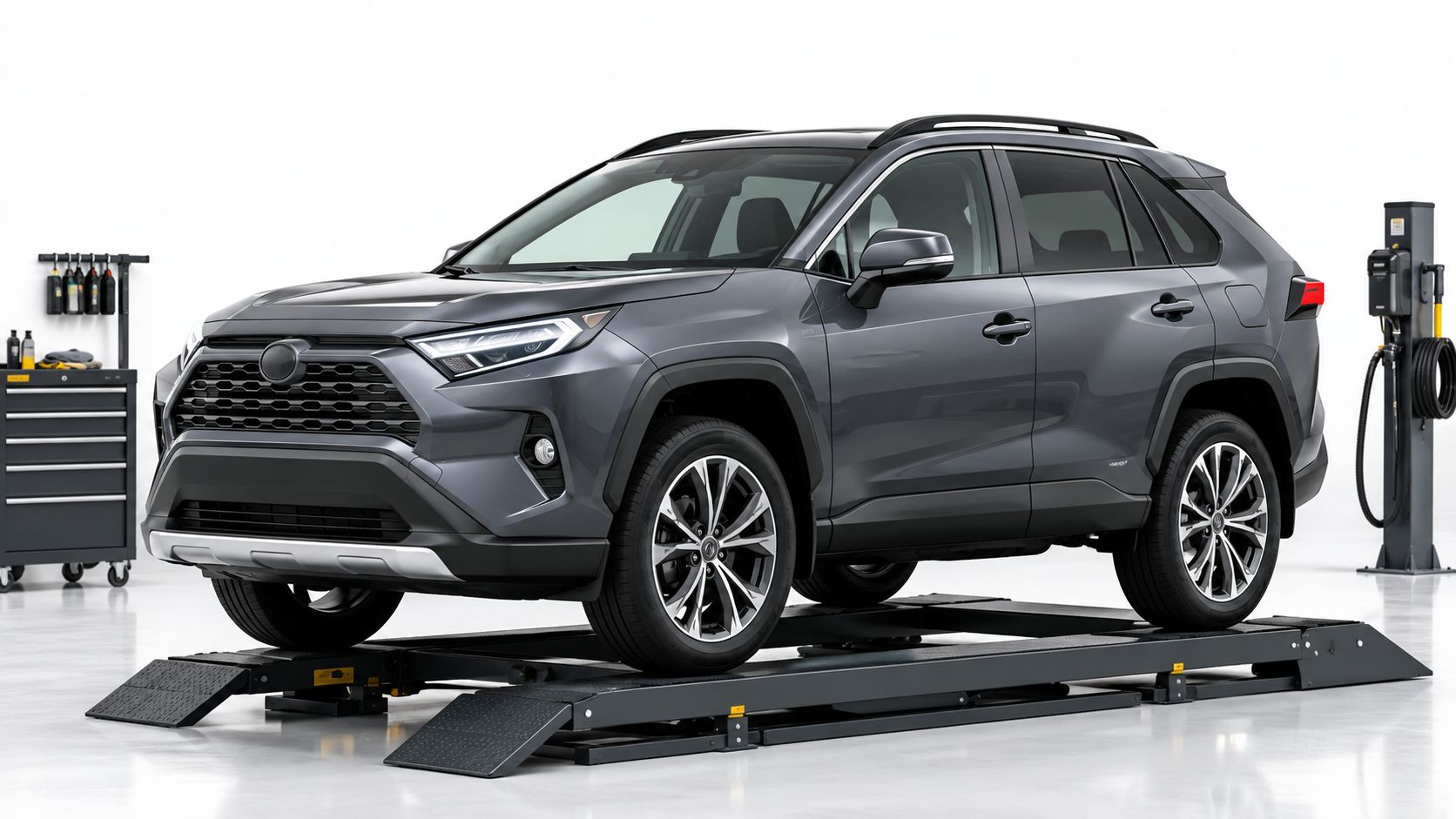
For family searches, SmartSelect works best as a shortlist filter, not as a replacement for inspection. Choose three rows only when the third row has a clear purpose. For adult passengers, verify the seating position and knee room. For children, check access with the second-row seat occupied and confirm where luggage will go. The family SUV buying guide adds practical criteria for that decision.
Finding and vetting midsize SUVs on Copart and IAAI
Auction photos reward disciplined buyers. They punish optimistic buyers. A clean-looking bumper can hide a bent reinforcement, displaced radiator support, damaged radar sensor, or deployed restraint system.
Begin with the seller and title information. Insurance auctions can present different levels of documentation and damage history. A clean title isn't proof of perfect condition, while a salvage title isn't automatically a bad purchase. The question is whether the loss is visible, technically understood, and economically repairable.
A practical screening sequence
-
Read the auction description against the photos. “Run and drive” describes a limited condition at the auction, not roadworthiness in Europe. Look for contradictions between damage notes, dashboard images, wheel position, and fluid leaks.
-
Decode the VIN. Confirm model year, engine, drivetrain, body style, and factory equipment. A VIN report from Carfax or AutoCheck can reveal prior title events, mileage inconsistencies, flood history, repeated auctions, and ownership changes. It won't replace a physical inspection, but it can stop you from bidding on a vehicle with an already complicated past.
-
Study the impact direction. A straight front-corner hit with intact opposite-side gaps often offers a clearer repair path than a vehicle struck across the front, roof, and suspension. Check the hood gaps, fender edges, windshield line, door operation, and wheel alignment in every available image.
-
Look underneath the visible damage. A displaced wheel, broken suspension arm, leaking shock absorber, or uneven tyre angle may indicate more than cosmetic work. Compare the damaged side with the opposite side. Auction images often provide enough visual evidence to identify a bent subframe or pushed-back wheel.
-
Treat water and fire damage as separate risk categories. Flood exposure can affect connectors, control modules, seat wiring, corrosion points, and restraint systems long after cleaning. Fire damage can spread through insulation and electronics even when the exterior appears manageable.
-
Count the missing parts. Keys, cameras, radar units, grilles, wheels, airbags, seat belts, and interior panels can materially change the repair plan. A missing airbag isn't just a parts purchase. It requires correct module work, sensor verification, and a proper diagnostic reset.
What SmartSelect can and can't do
A digital tool can filter listings, decode VIN information, compare auction history, and highlight signals that deserve human review. That makes it useful for narrowing a large Copart or IAAI search. It doesn't see hidden corrosion inside a connector or confirm that a chassis rail is straight.
A good shortlist contains vehicles with a predictable repair envelope. Lightly damaged front or rear examples may be easier to cost than heavily damaged side impacts, roof damage, flood losses, or cars missing major interior and safety systems. Before placing a bid, save the complete photo set and note what isn't shown.
The strongest auction candidate is rarely the one with the lowest visible damage. It's the one with the clearest story, complete evidence, and a repair plan you can explain line by line.
For a deeper VIN and image review, use this guide to checking a US vehicle. Keep the process separate from emotion. If the history is unclear, walk away.
Calculating the true landed cost before you bid
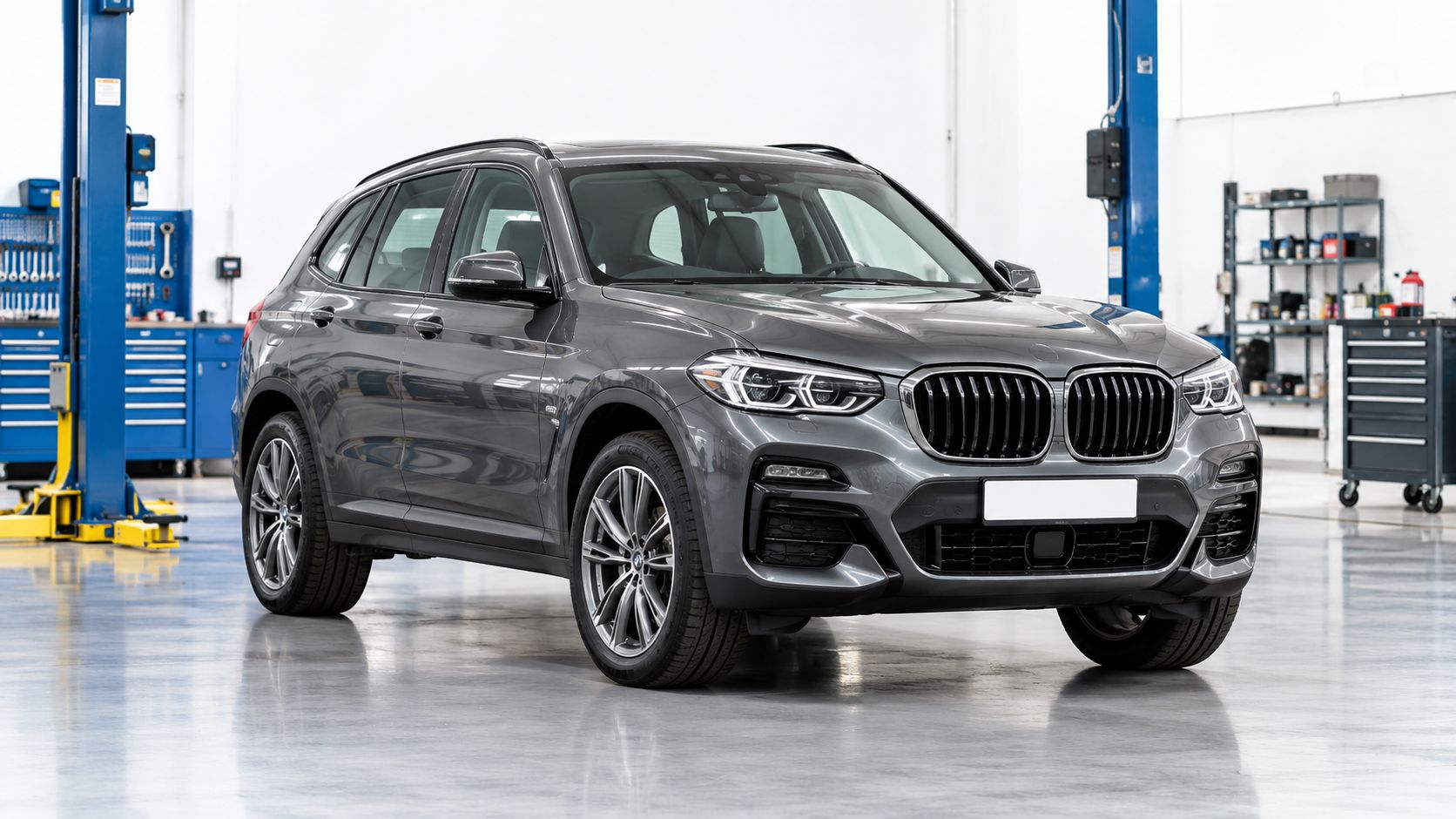
A midsize SUV can look affordable at auction and become expensive before registration. Set the maximum bid only after calculating the finished, repaired vehicle. The useful question is, “What auction price keeps the registered SUV within budget?”
Build the estimate in layers. The final amount depends on the vehicle, route, condition, and tax treatment, so a generic online figure is only a starting point.
The complete cost stack
- Vehicle purchase: Add the winning bid, buyer charges, and documentation fees.
- US inland movement: Price transport from the auction yard to the export warehouse. Distance, condition, and loading requirements all matter.
- Export handling: Include warehouse processing, document coordination, and container loading.
- Ocean freight: Use the selected European port and container route.
- Customs duty and VAT: Confirm the customs valuation and VAT route before bidding. The result depends on the import structure and declared basis.
- Polish excise: Apply the engine-size rule carefully. The Polish threshold is 2,000 cm3, with 3.1% up to that limit and 18.6% above it (officially presented excise calculation guidance). Electrified vehicles may need separate verification.
- European adaptation: Budget for headlights, rear fog-light configuration, indicators where required, speedometer presentation, and inspection-related changes.
- Repair and parts: Separate bodywork from airbags, sensors, cooling systems, suspension, alignment, paint, and diagnostics.
- Final delivery: Include flatbed transport from the port, customs location, or repair facility to the destination.
DreamBid's calculator puts these layers into one decision view. It can combine auction fees, US transport, ocean freight, European customs, VAT, Polish excise, and delivery. Use the US car import cost calculator to compare several candidates, including vehicles with different damage profiles and engine sizes.
Set the bid ceiling from the finished budget
Start with the all-in budget for a repaired, registered midsize SUV. Subtract the service fee, transport allowances, taxes, repair reserve, adaptation work, inspection, and final delivery. The balance is the maximum vehicle-and-auction spend.
Keep uncertainty outside the bid. Create a separate reserve for damage hidden beneath the vehicle, inside the engine bay, around the rear structure, or in the airbag system. A low hammer price can still produce a poor result if the SUV has flood exposure or missing safety equipment.
Family use belongs in this calculation. A third row may improve passenger capacity but reduce luggage space when occupied. A two-row SUV can carry cargo more effectively, while a larger engine can push the vehicle above the Polish excise threshold. Compare the cabin layout and tax effect together, not as separate decisions.
Port routing can change the total. Bremerhaven may suit some VAT structures, while Gdynia may offer a simpler domestic customs process. The right route depends on the buyer's tax position and documentation. Have both options priced before the auction closes.
Bidding shipping and customs without surprises
Auction day should be the shortest part of the process. Preparation decides the result. A buyer who enters with a written ceiling can stop when the price exceeds the finished-budget logic, even if the vehicle still looks attractive.
From offer to export warehouse
Start by checking the deposit and payment sequence. Auction platforms impose their own deadlines, and delays can create storage or administrative complications. Keep the purchase invoice, title documents, release paperwork, and payment confirmation together from the beginning.
Use a maximum offer based on the landed-cost calculation. Live bidding can be useful, but it often encourages buyers to follow the room instead of following their budget. If the bidding passes your ceiling, the correct action is to leave the listing and return to the search pool.
After payment, US inland transport moves the SUV from the auction yard to the export warehouse. Condition matters here. A non-running vehicle may require specialist loading, a winch, or a different carrier. Once received, warehouse photographs are valuable because they document the vehicle before container loading and can reveal damage that auction images didn't show clearly.
Container freight and European clearance
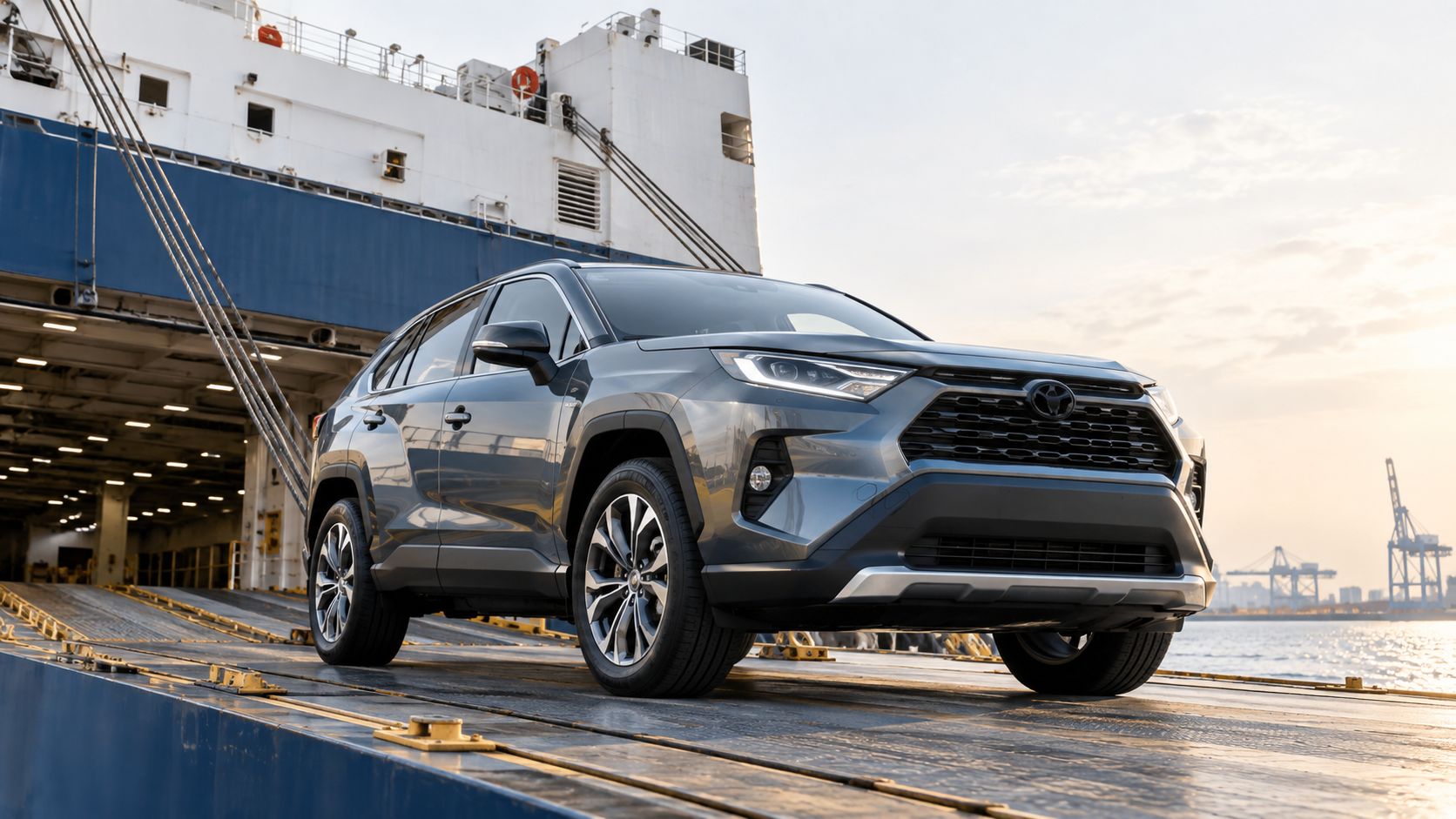
Container shipping adds a controlled handover between the export warehouse and the European port. The key documents are the purchase invoice, title, transport records, and customs paperwork. Missing or inconsistent documents can delay clearance even when the vehicle itself is ready.
You'll normally compare two practical routing approaches:
- Bremerhaven routing: This can be relevant where a specific VAT structure or cross-border arrangement applies. It requires correct documentation and a clear understanding of where the import is legally completed.
- Gdynia routing: Domestic clearance can simplify coordination for a Polish buyer whose tax and registration process is handled in Poland.
Neither route is universally cheaper or faster. The right choice depends on the importer, the transaction structure, the vehicle documents, and the onward destination. Ask for a route comparison before shipping, not after the container arrives.
Delays usually come from incomplete title paperwork, customs questions, port congestion, repair surprises, or a vehicle that cannot be unloaded as planned. Regular status updates and high-resolution warehouse photographs make those risks visible earlier. A managed chain should show the vehicle's progress from auction collection through export handling and European delivery.
EU adaptation repairs and registration that gets you on the road
The SUV becomes useful only after it passes European requirements. Repairing the visible bumper is not enough. US-market lighting, safety equipment, documentation, and inspection preparation must be treated as one final compliance job.
Headlights are a frequent source of rework. UNECE rules for main-beam headlamps include regulations 48, 112, and 98, while US vehicles fall under FMVSS 108, so the systems aren't automatically interchangeable (EU and US vehicle lighting framework). AAA comparison data also identifies a major performance difference, with UNECE-compliant high beams rated up to 430,000 candela and US systems capped at 150,000 candela. The permitted headlamp mounting height in UNECE markets is 177 mm lower than in the US (Euro-spec and US headlamp comparison).
That doesn't mean every US headlamp must be discarded. The correct solution depends on the lamp approval, beam pattern, adjustability, and local inspection requirements. Confirm the part before ordering. Add the rear fog light, check indicator behavior, verify speedometer presentation, and test all lighting functions after installation.
Safety and inspection checks
IIHS testing has become more demanding for midsize SUVs. The updated side-impact evaluation uses a barrier weighing about 4,200 pounds and moving at higher speed to better represent a modern striking SUV. More than half of the tested midsize SUVs earned a Good rating in that newer test (IIHS midsize SUV class summary).
Check the exact model year and trim. IIHS's class summary considers small-overlap, moderate-overlap, side performance, headlights, front-crash prevention for vehicles and pedestrians, seat-belt reminders, and LATCH ease of use. The 2025-26 midsize SUV award list includes the Buick Enclave, Chevrolet Traverse, Ford Explorer, Ford Mustang Mach-E, Honda Pilot, Hyundai Palisade, Kia Telluride, Mazda CX-90, Nissan Pathfinder, Volkswagen Atlas, and others (2025-26 IIHS midsize SUV awards). An award can depend on trim and build date, so don't treat a model name as a complete safety answer.
Before registration, confirm:
- Identity: VIN, title, invoice, and customs documents agree.
- Tax record: Excise declaration and payment evidence are complete.
- Repairs: Structural measurements, airbag work, wheel alignment, and diagnostics are documented.
- Lighting: Headlamp beam, rear fog light, indicators, and adjustment meet inspection expectations.
- Inspection file: Required translations, technical documents, and conformity evidence are ready.
- Registration route: The customs and tax location matches the planned registration process.
If the SUV will later be sold in another EU market, a country-specific history review can add useful context. For Spain-bound vehicles, this Spain car purchase background check is a relevant reference for checking the vehicle's background before transfer.
A US midsize SUV is a strong candidate when its space, specification, and repair path justify the import work. It's a poor candidate when the buyer ignores engine displacement, lighting, third-row limitations, or documentation. Finish the calculation before bidding, then verify the VIN and repair evidence before committing.
DreamBid brings auction sourcing, VIN analysis, cost calculation, shipping, customs coordination, and final delivery into one managed workflow for US midsize SUV imports. Review your next candidate through DreamBid, calculate the complete landed cost before bidding, and request a history check when the listing leaves any important question unanswered.